
Face with CCCC Travelogue of China:
Exploring CCCC's Footprints Open Day Activity
for International Media
The "Travelogue of China" international media communication activity, launched in May 2023, invites international journalists to explore China's rich historical and cultural heritage and modern technological advancements, transforming their experiences into news reports that vividly convey China's true stories and images to the world. As part of this program, international media delegations visited CCCC to delve into CCCC's innovations in "big transportation" and "big cities" sectors.

From October 24 to 26, 2023, a delegation of 14 international journalists from 13 countries, including Argentina, Panama, Brazil, and Peru, visited Tianjin to observe key projects by CCCC. The tour highlighted the world's first smart zero-carbon port and the ecological restoration of Jizhou's abandoned mines, exemplifying the "Chinese model" of environmental restoration and Tianjin's commitment to tech-driven modernization.
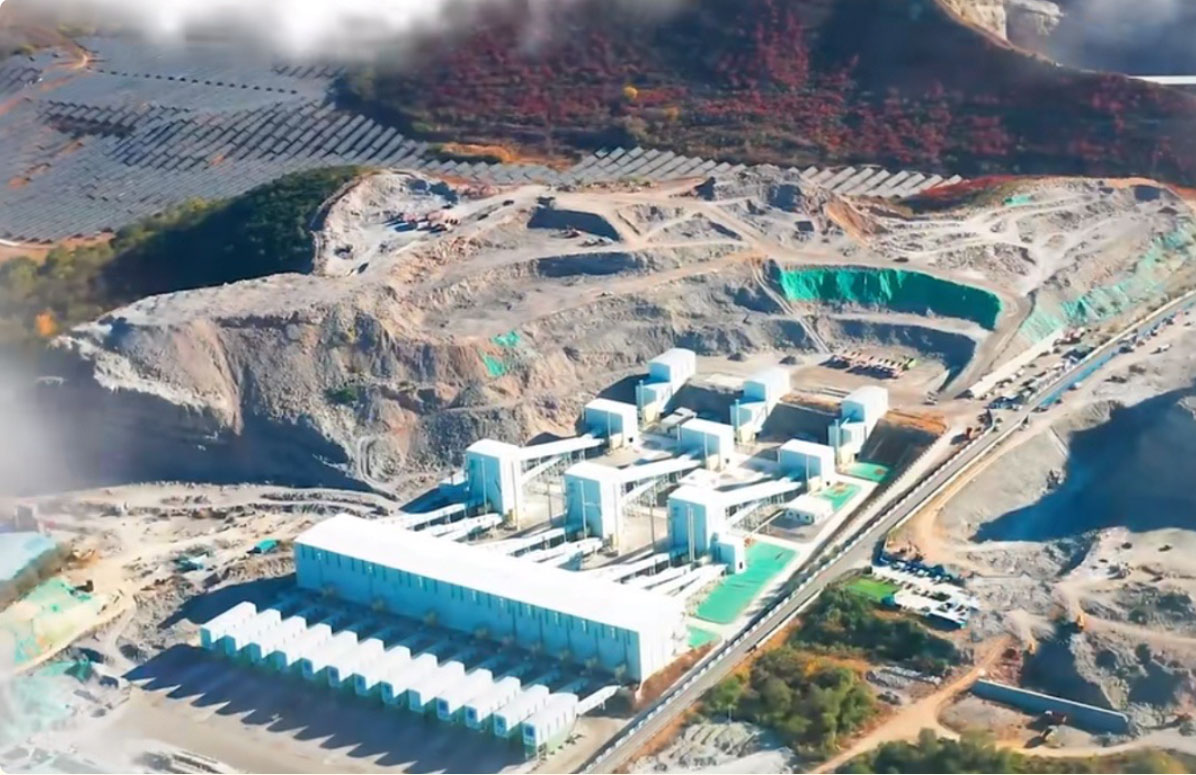
Jizhou's Mine Ecological Restoration Project
Uncovering the "Green Code" of Mine Restoration
This large-scale project spans approximately 637 hectares and involves geological hazard management, environmental restoration, and sustainable industry integration. It aims to transform Jizhou into a model city prioritizing ecological preservation and green development.
The media delegation observed a dust-free blasting demonstration and visited an ecological restoration exhibition hall and an intelligent monitoring center in Jizhou for eco-friendly aggregate processing. They gained comprehensive insights into the project's planning, execution, and technological innovations, including an entirely automated, real-time production process. During discussions, the journalists learned about successful case studies of mine restoration in China and expressed enthusiasm about future partnerships between their home countries and China in mine restoration.
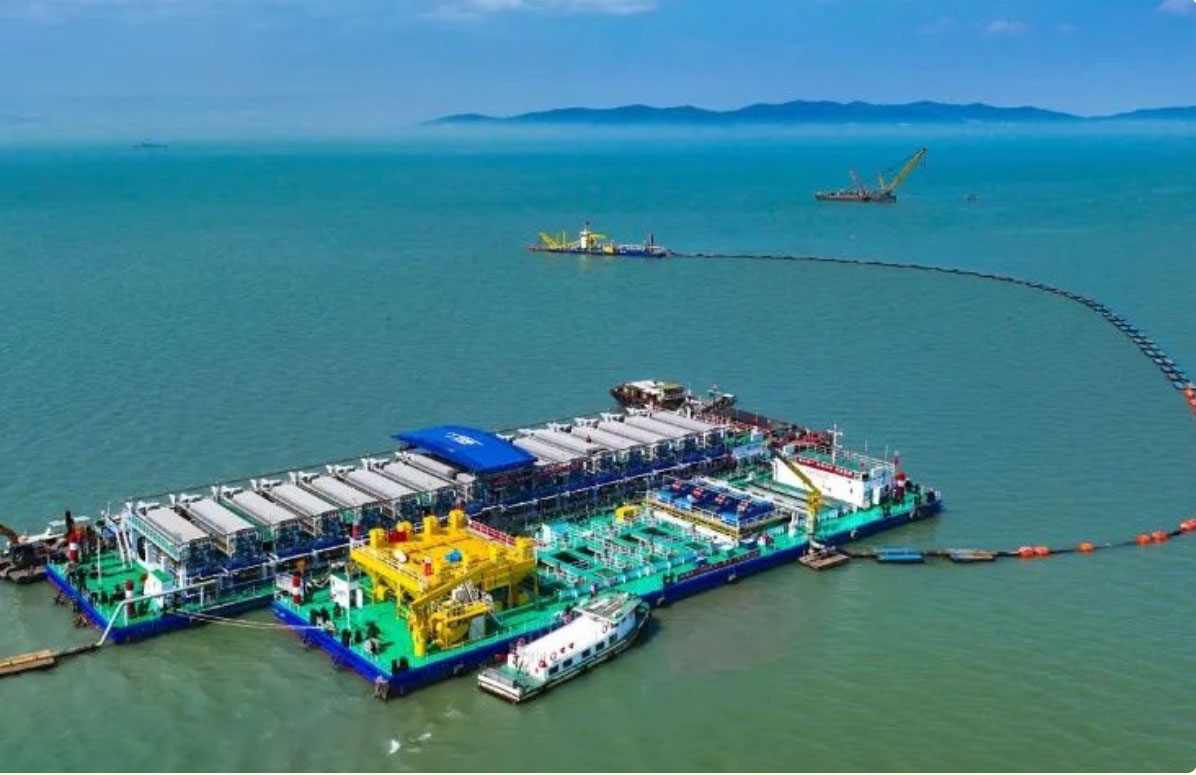
Smart Zero Carbon Container Terminal at Section C of Tianjin Port's Beijiang Port Area
The World's First "Smart Zero Carbon" Terminal
Designed and built by CCCC, the smart container terminal at Tianjin Port's Beijiang Port Area is the first in the world to achieve zero carbon emissions across all scenarios, operations, and weather conditions. Powered entirely by green electricity, the terminal integrates intelligent systems throughout its operations.
The construction includes three 200,000-ton intelligent container berths spanning a 1,100-meter shoreline. Once operational, the port will accommodate the world's largest container ships, with an annual design capacity of 2.5 million TEUs. This project sets a new benchmark for port industry standards, driving the digital transformation and upgrading of port operations.


Jason Haén Ureña
Journalist from Costa Rica
Mine protection is a vital project. Costa Rica places high importance on environmental protection, and I believe there will be collaborative opportunities between our two countries.
Mining holds a significant place in Mexico's development. The mine restoration projects and industries emerging from these initiatives could not only advance mining progress but also foster economic growth in Mexico.
Liliana Padilla Guerrero
Journalist at Milenio of Mexico


César Eduardo Romero Calle
Journalist at La República of Peru
Peru is rich in mineral resources. The ecological restoration of Jizhou's abandoned mines serves as an exemplary model, transforming an abandoned mine into a safe and healthy environment for nearby communities while also bolstering related industries.

Juliano Dip Lencioni
Journalist at Rede Bandeirantes of Brazil
China's environmental initiatives show its commitment to addressing climate change.
Amazing! The AI and unmanned technologies at the port are deeply impressive! Knowing that so many goods will be shipped to Argentina from here is both thrilling and heartening!
Leticia Martinez
Journalist from Argentina


Ranielly Rodrigues Veloso
Journalist from Brazil
The unmanned automation reflects China's advanced capabilities. These technologies will greatly benefit import and export logistics, and I believe not just Brazil, but the entire world, eagerly anticipates learning from China's expertise.

Liliana Padilla Guerrero
Journalist at Milenio of Mexico
The zero-carbon technology at Tianjin Port is crucial. This environmental model is something that not only Mexico but the entire world can learn from.