
CCCC takes urban development to a new level
Source:CCCCTime:2026-07-10
CCCC uses green tech to reshape cities. Wuhan's eco-center has sponge roof; Jizhou turns mines into green hills; Guangzhou's Hengli Island builds flood-control leisure embankments; Pearl Bay creates a smart, unmanned super-scenario.
From the ultra-low energy buildings in Wuhan's Sino-French Eco-City to the ecological embankment at the tip of Guangzhou's Nansha Hengli Island, CCCC is focusing on green and low-carbon development, ecological livability, safety and health, and smart efficiency to build a new ecosystem for urban development.
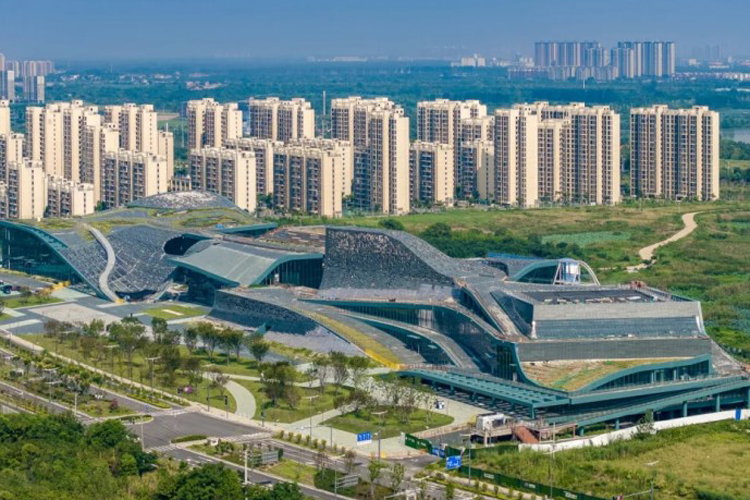
Wuhan Eco-City Cultural and Sports Center: This project achieves a natural integration of wetland landscapes into the urban fabric. A nearly 10,000-square-meter rooftop garden spreads across the building, applying the "sponge city" concept to enable water circulation.
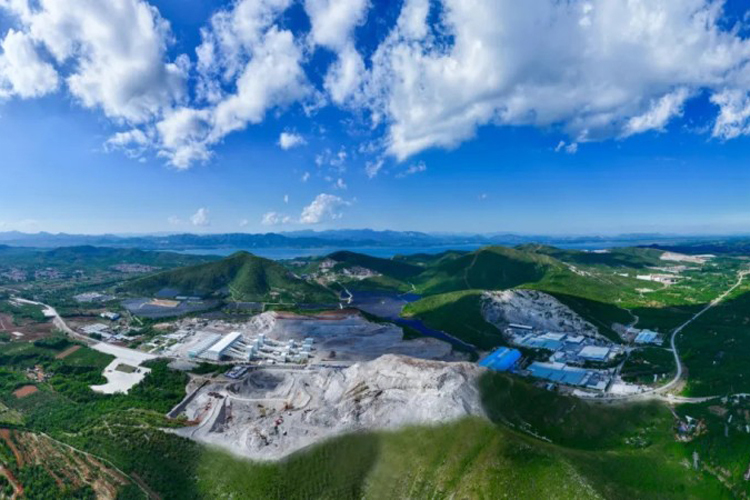
Jizhou Mine Ecological Restoration and Greening Project: This initiative plans to transform 700 hectares of barren hills in six years. Facing the challenge of soil assimilated by mining waste, the team adopted new solutions and techniques to reclothe the slopes in green.
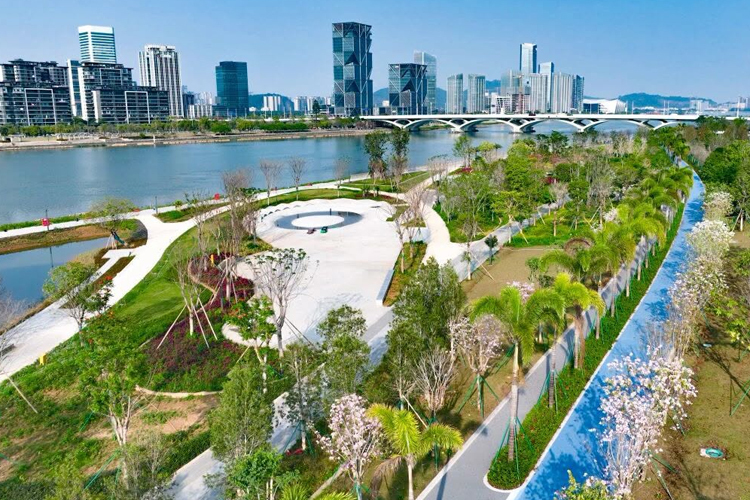
Hengli Island Tip Urban Development and Construction Project: Guided by the concept of "revitalizing waterways and embracing the island," the ecological embankment integrates flood control, ecology, landscape, and leisure using a "width-for-height" strategy. This approach enhances ecological resilience, landscape diversity, and public comfort simultaneously.
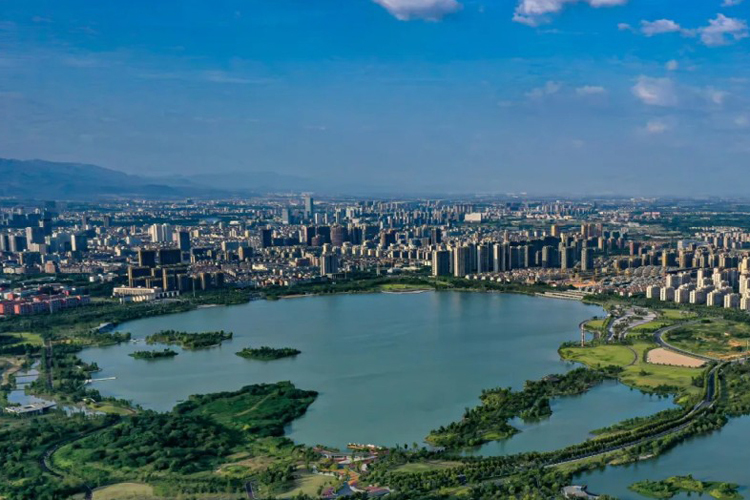
Smart City Demonstration Park-Phase I of New Urban Infrastructure: Centered on "full-domain sensing, data integration, and intelligent decision-making," this project is turning the 33-square-kilometer Mingzhu Bay startup area into a four-dimensional unmanned system super-scenario spanning sea, land, air, and ground.
Editor: CCCC