
CCCC helps drive socioeconomic development in Xinjiang
Source:CCCCTime:2026-09-25
Over the past more than five decades, CCCC has undertaken and completed more than 190 major projects in Xinjiang, covering highways, railways, civil aviation, municipal infrastructure, buildings, water conservancy, new energy, new infrastructure and integrated projects.
Over the past more than five decades, CCCC has undertaken and completed more than 190 major projects in Xinjiang, covering highways, railways, civil aviation, municipal infrastructure, buildings, water conservancy, new energy, new infrastructure and integrated projects. Here are some of the major projects that have transformed Xinjiang and contributed to its modernization.
Dushanzi-Kuqa Highway, the first highway to truly connect northern and southern Xinjiang across the Tianshan Mountains
Built in the 1970s, the highway stretches about 562 kilometers, with half of its route lying at elevations above 2,000 meters. Known as "China's most beautiful highway," it allows travelers to experience four seasons in a single day.
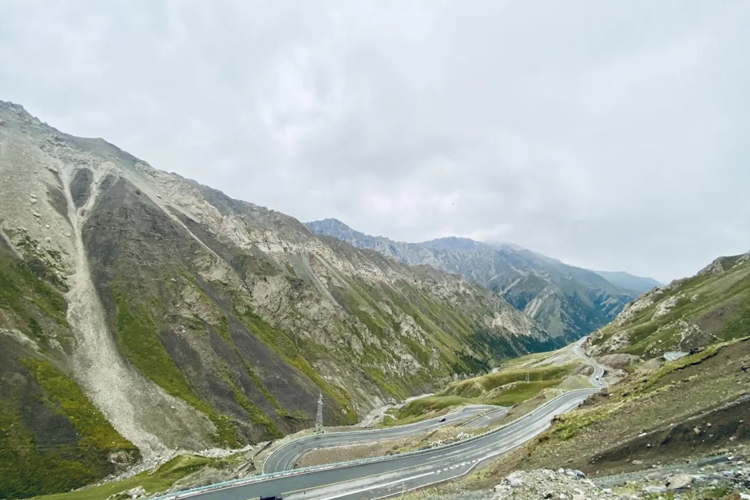 Photo shows the Dushanzi-Kuqa Highway in northwest China's Xinjiang Uygur Autonomous Region.
Kuitun-Dushanzi-Kuqa Expressway, the fifth route across the Tianshan Mountains
The Kuitun-Dushanzi-Kuqa Expressway will span about 394 kilometers, following roughly the same route as the existing Dushanzi-Kuqa Highway. The expressway's advance works began construction in 2025 and are scheduled for completion in 2032. The expressway will allow year-round, all-weather travel, cutting the journey from Kuitun to Kuqa from 14 hours to four hours.
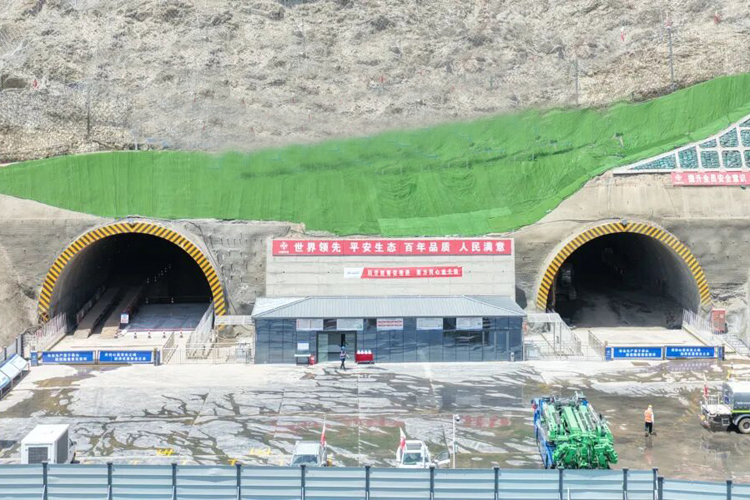 Photo shows the 6.7-kilometer Bolebokezi Tunnel, a key project of the Kuitun-Dushanzi-Kuqa Expressway.
East Tianshan Tunnel, the second major transport route through the Tianshan Mountains
In December 2021, the 11.775-kilometer East Tianshan Tunnel officially opened to traffic. As a key part of the Barkol-Hami Highway, it allows motorists to cross the Tianshan Mountains in just 10 minutes.
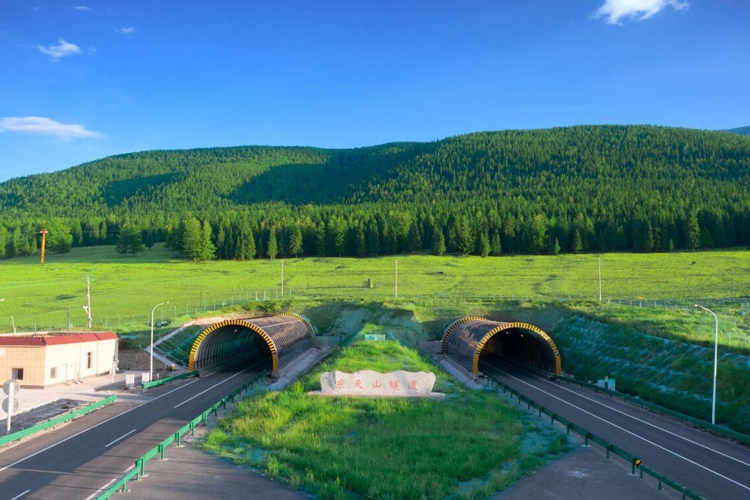 Photo shows the East Tianshan Tunnel.
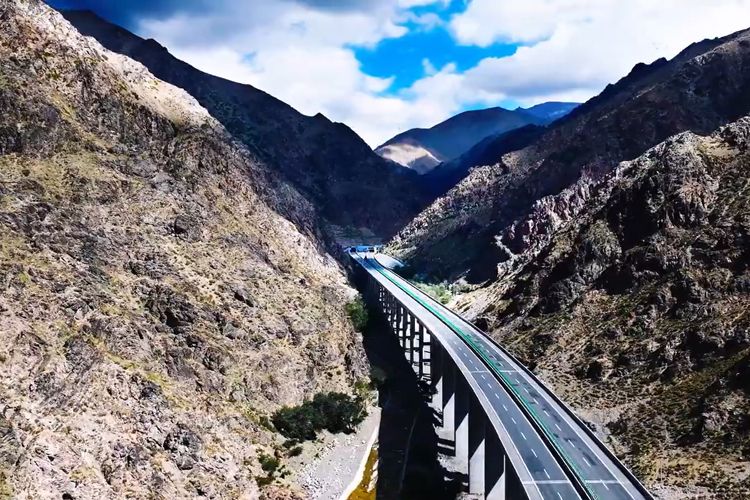 Photo shows the Barkol-Hami Highway.
Tianshan Shengli Tunnel, the world's longest expressway tunnel
On Dec. 26, 2025, the Urumqi-Yuli Expressway opened to traffic, cutting the driving time between Urumqi and Korla from seven hours to 3.5 hours. Its key project, the Tianshan Shengli Tunnel, which is about 22.13 kilometers, allows motorists to cross the Tianshan Mountains in just 20 minutes.
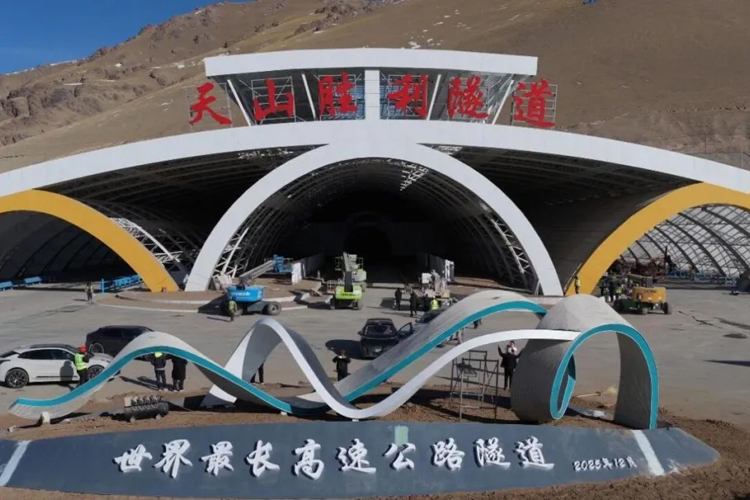 Photo shows the Tianshan Shengli Tunnel.
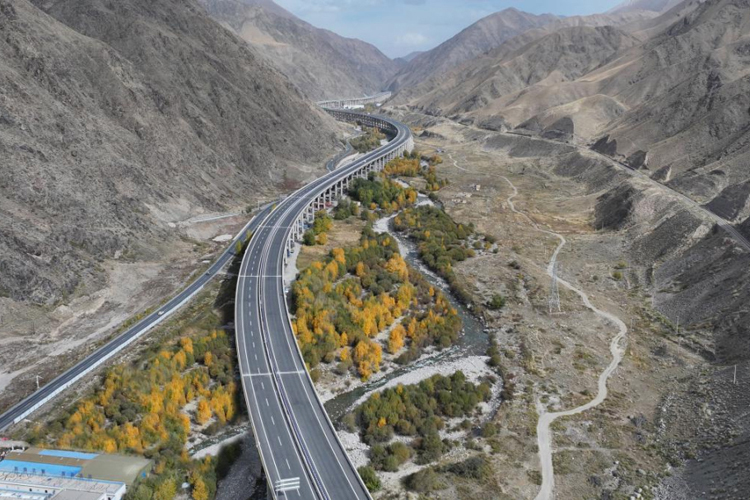 Photo shows the Urumqi-Yuli Expressway.
West Tianshan Extra-long Tunnel, the fourth route across the Tianshan Mountains
Construction of the West Tianshan Extra-long Tunnel, a key project of the Zhaosu-Wensu Highway, began in June 2023. Stretching 15.7 kilometers, it is China's first first-grade highway tunnel to pass directly through a glacier. Once completed, it will cut the distance between Yining and Aksu from 1,710 kilometers to 500 kilometers, creating a new passage for trade with Central Asia. The "Wensu" hard rock tunnel boring machine is used in the tunnel construction.
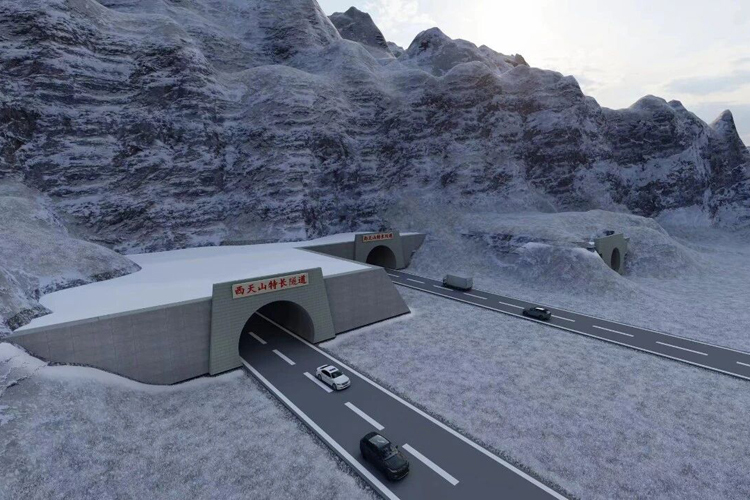
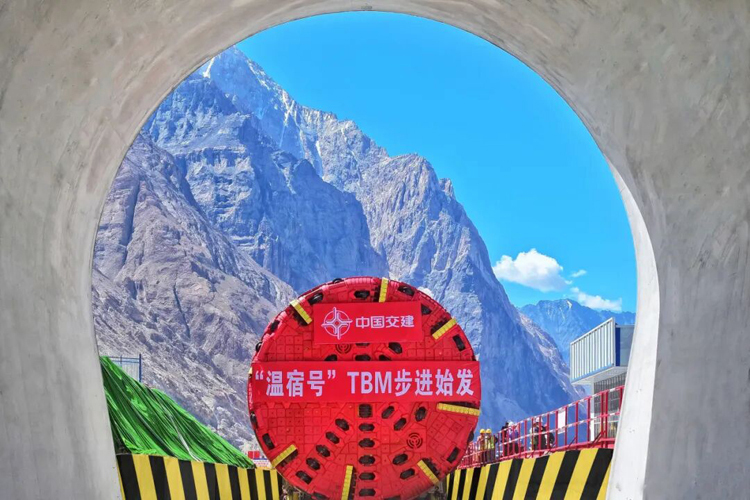 The "Wensu" hard rock tunnel boring machine is used in the construction of the West Tianshan Extra-long Tunnel.
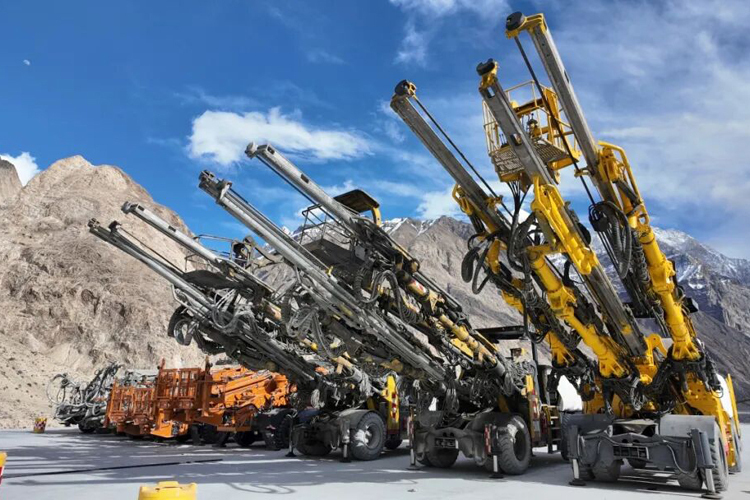 Other tunnel construction equipment used in the construction of the West Tianshan Extra-long Tunnel.
Jiangjunmiao-Naomaohu Railway
The railway opened to operation in January 2024. Its main line stretches 429.9 kilometers and has a designed speed of 120 km/h. As a Class-I electrified freight railway, its opening marked the completion of Xinjiang's northern rail freight corridor.
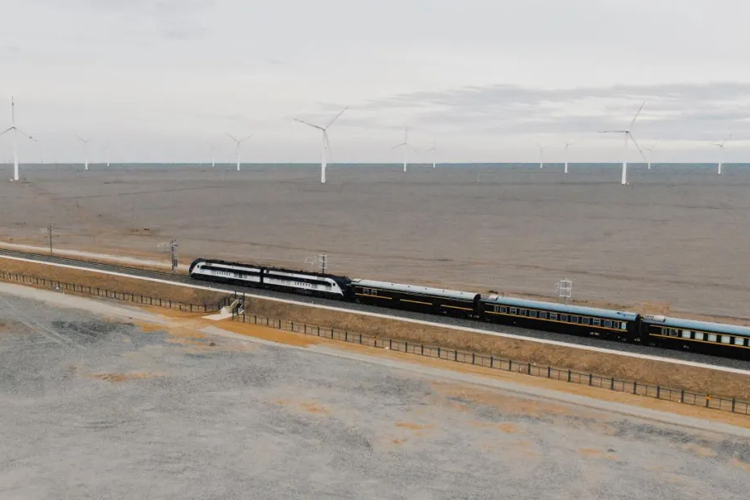 Photo shows the Jiangjunmiao-Naomaohu Railway.
Beijing-Xinjiang Expressway
The Beijing-Xinjiang Expressway is the world's longest and highest-grade expressway through desert areas. Its completion enabled uninterrupted expressway travel from Beijing to Xinjiang, shortening the journey by nearly 1,300 kilometers compared with the previous route.
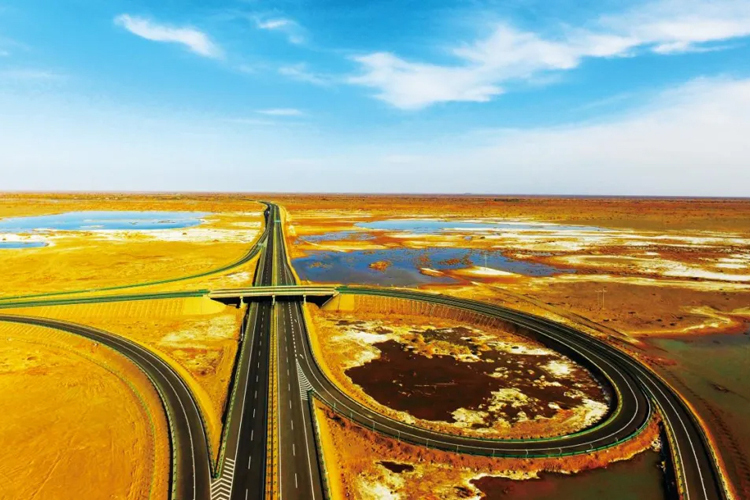 Photo shows the Beijing-Xinjiang Expressway.
Guozigou Bridge

Opened to traffic in October 2010 as a key part of the Lianyungang-Khorgos Expressway, the Guozigou Bridge is Xinjiang's first cable-stayed bridge and its highest bridge. Its completion eased travel difficulties in the Ili River Valley and enabled year-round access from Ili Kazak Autonomous Prefecture to Urumqi.
Bayingolin Mongolian Autonomous Prefecture People's Hospital
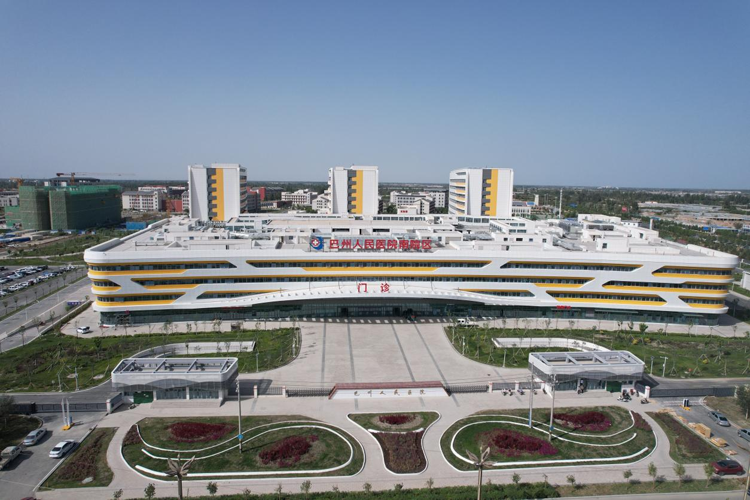
Located in Korla, the hospital has a total floor area of 199,000 square meters. Once completed, it will fill a gap in high-end medical services in the area.
Karamay flood-control channel
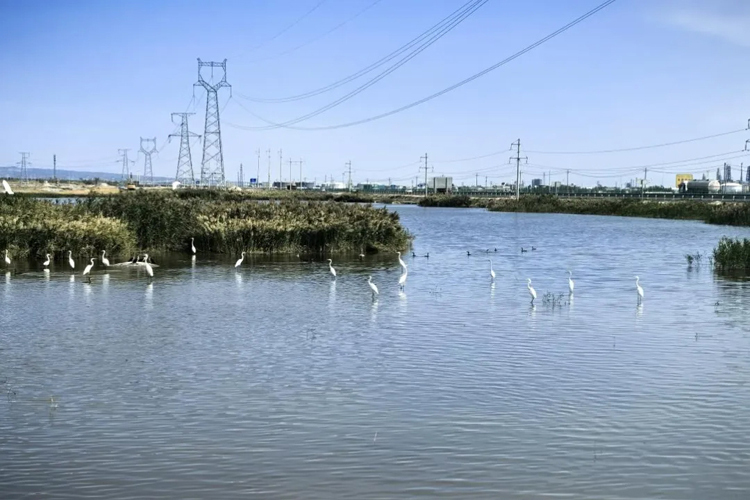
The project has significantly improved Karamay's urban flood control and drainage capacity, providing a stronger safeguard for residents' lives and the city's development.
Korla Second Water Source Development Project (Phase II)
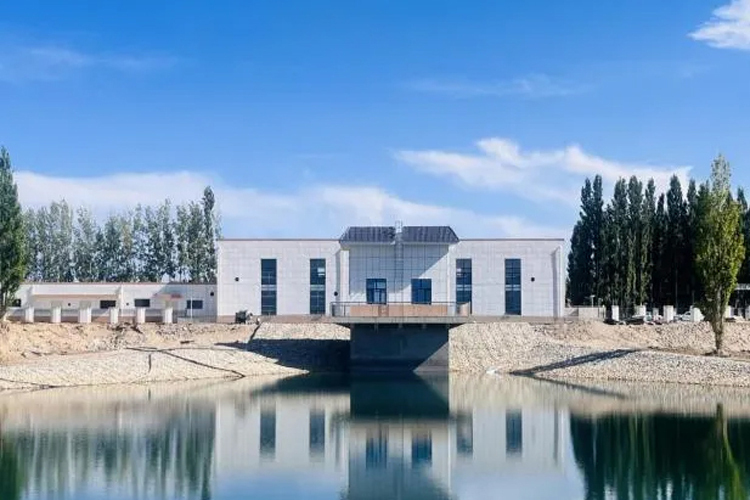
After it is completed, the project will address Korla's urban water supply needs by delivering an average of 400,000 cubic meters of water per day.
Mohuchahan Area Redevelopment Project
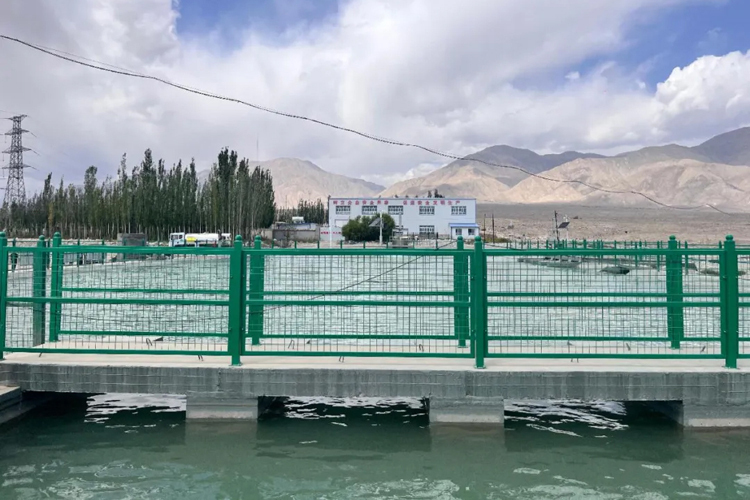
The modern "Karez" water network has brought vegetation back to once-bare Gobi land and helped address the uneven distribution of water resources in the area.
Yigeziya Reservoir in Yengisar county
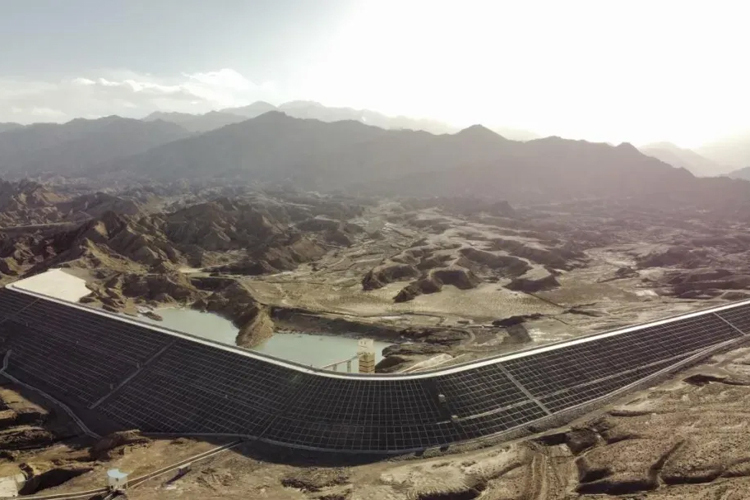
The project has built a water conservancy hub with a total storage capacity of 9.78 million cubic meters, easing flood control pressure on the Yigeziya River, improving irrigation for 152,100 mu of farmland and creating more than 1,000 jobs during construction.
Alongside the project, CCCC has also provided paired assistance to Yengisar county. Over the past 12 years, a series of measures in infrastructure upgrading, industrial revitalization, education and healthcare, and ecological and livelihood improvement have helped drive the county's overall socioeconomic development.
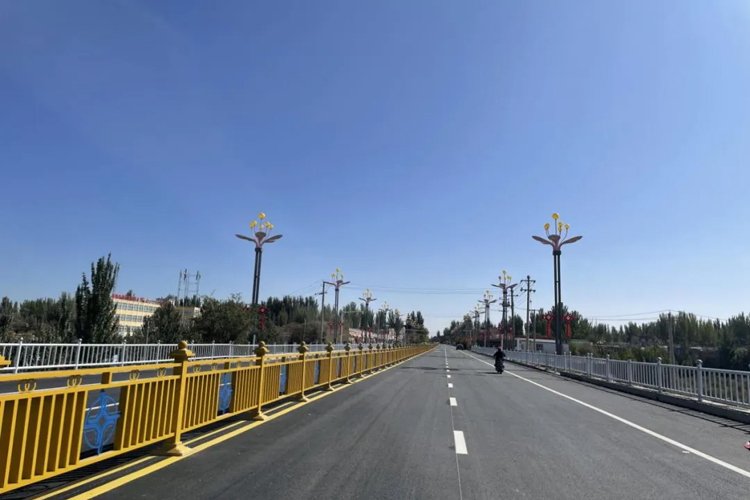
CCCC funded the renovation of Zhongjiao Avenue in Yengisar county, comprehensively upgrading water and power networks, drainage systems, traffic safety facilities, landscaping and lighting.
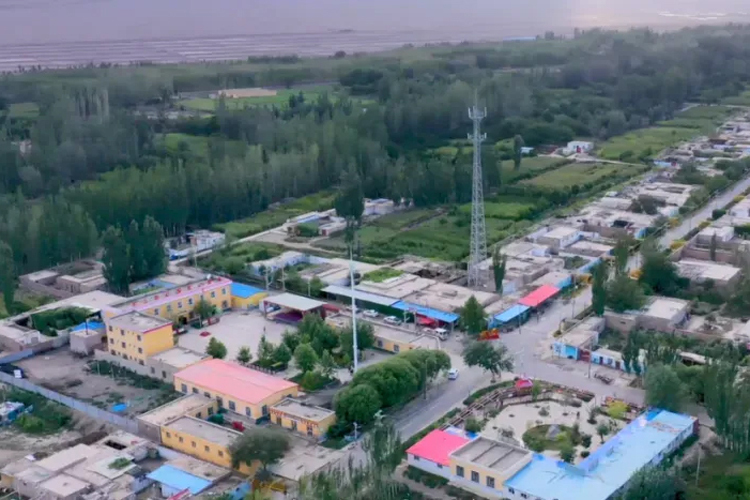
Through asset revitalization, nursery development, specialty livestock farming, and forage cultivation, CCCC has helped boost the income of village collectives in Yengisar county.
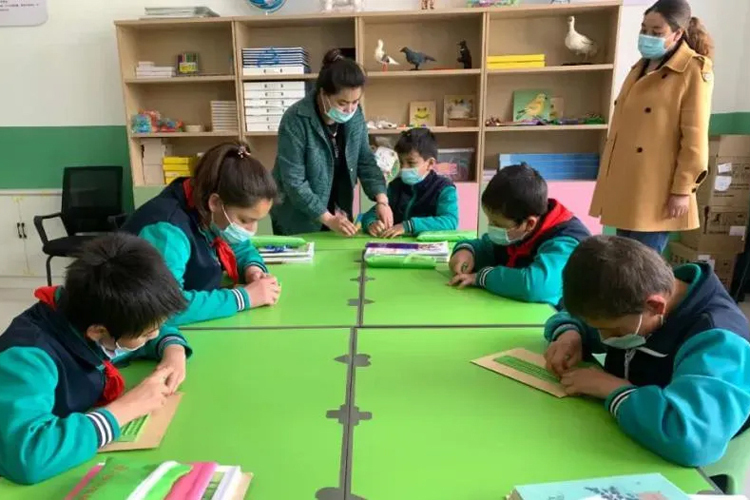
CCCC funded and built Yengisar county's first special education school, filling a gap in public special education services in the county.
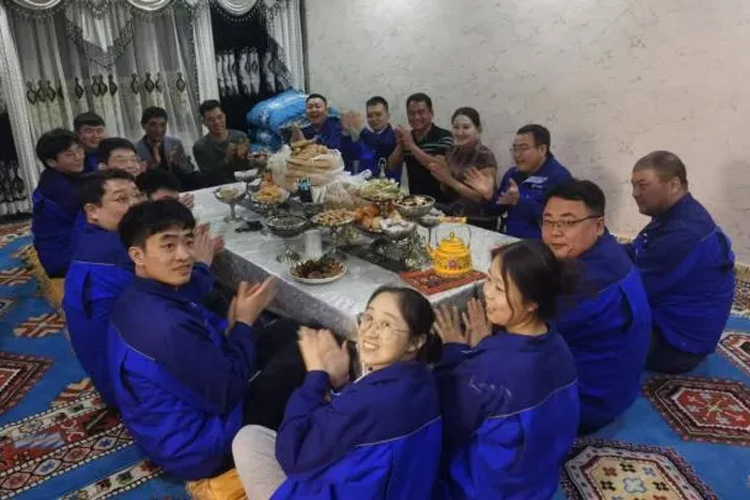
Through initiatives such as a mentoring program, CCCC has helped local residents improve their professional skills and expand their career opportunities.
Editor: CRBC,First Highway Engineering