
CCCC advances Kenya's infrastructure development with major rail and transport projects
Source:CCCCTime:2026-03-26
Since entering the Kenyan market in 1980, CCCC has delivered a series of important transportation infrastructure projects in Kenya.
The Phase 2 of the Naivasha–Malaba Standard Gauge Railway (Naivasha–Kisumu section) in Kenya, constructed by CCCC, has recently broken ground. Song Hailiang, Chairman of CCCC, attended the ceremony alongside Kenyan President William Ruto during his visit to Kenya.
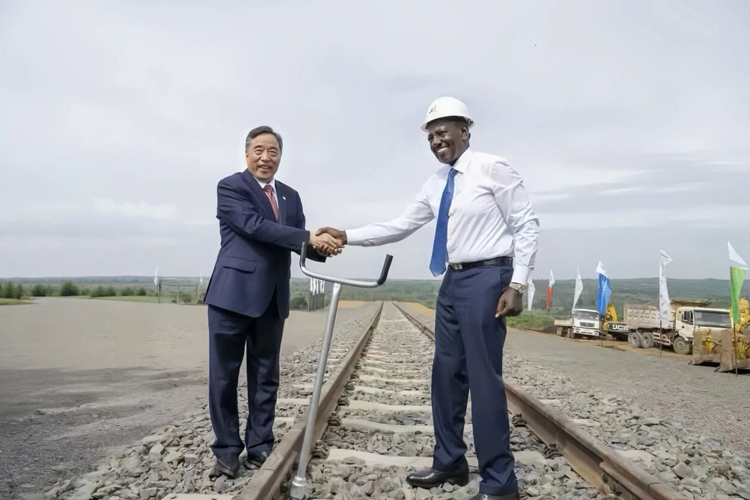
Since the launch of the Mombasa–Nairobi Standard Gauge Railway and the Phase 1 of the Naivasha–Malaba Standard Gauge Railway, both passenger and freight revenues have steadily increased, making the railway network a key engine of economic growth. The extension of the Naivasha–Malaba Standard Gauge Railway is expected to further enhance transport efficiency, reduce logistics costs, and strengthen Kenya's position as a regional trade hub in the Great Lakes region and across Africa.
The Phase 2 spans approximately 272.65 km, including a 263.75 km main line linking Naivasha—the current terminus of Phase 1—to Kisumu, the country's third-largest city and a major transport hub. An additional 8.9 km branch line will connect the railway to port facilities on Lake Victoria.
Upon completion, the project will significantly lower logistics costs, improve transport efficiency, and create thousands of jobs, injecting strong momentum into regional economic growth.
Since entering the Kenyan market in 1980, CCCC has delivered a series of important transportation infrastructure projects in Kenya, including the Mombasa–Nairobi Standard Gauge Railway, the Nairobi-Malaba Standard Gauge Railway, the Lamu Port, the New Kipevu Oil Terminal (KOT) in Mombasa, and the Nairobi Expressway, contributing to regional connectivity and socio-economic development in Kenya. Let's take a look!
Mombasa–Nairobi Standard Gauge Railway
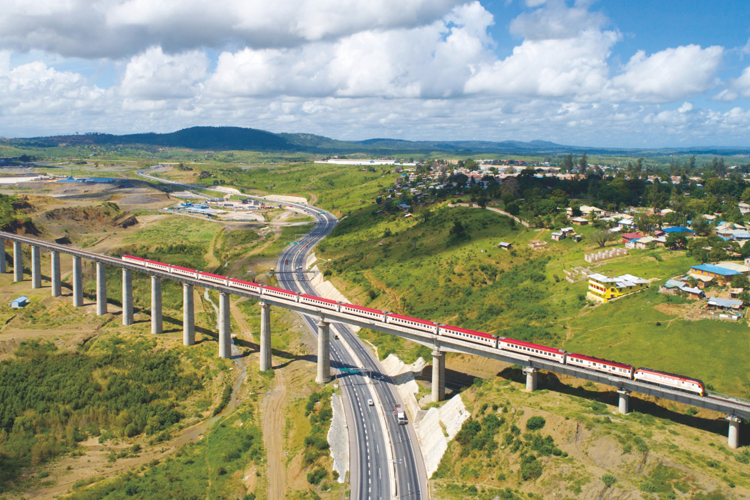
Connecting the port city of Mombasa with the capital Nairobi, this 480 km railway has contributed approximately 2% to Kenya's economic growth since its commissioning in May 2017 and has become an important infrastructure for driving the economic development of East Africa and even the entire African continent. As of March 1, 2026, it has transported over 17.5 million passengers and 46.54 million tonnes of cargo. The project has created nearly 75,000 jobs and trained more than 5,000 railway operation and maintenance professionals.
Lamu Port berths 1–3
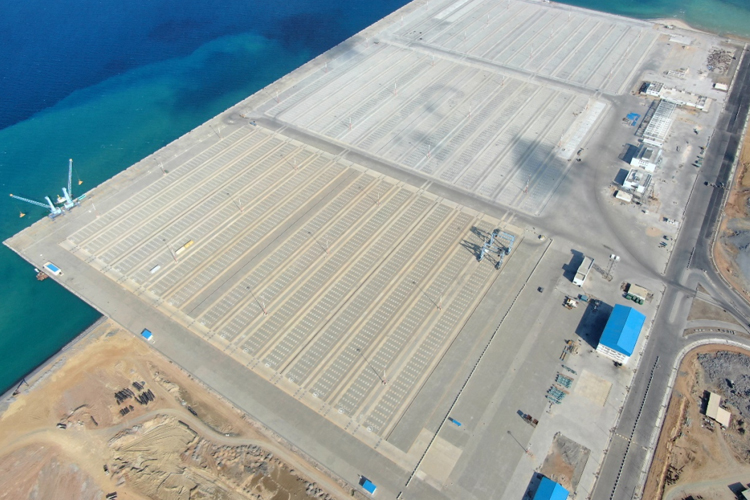
Located in Manda Bay, Lamu Port features a 1,200-meter quay and three 100,000-tonne deep-water berths. At the inauguration of the berth 1, former Kenyan President Uhuru Kenyatta noted that, as a deep-water port on Africa's east coast, Lamu Port has the potential to become a primary transshipment hub for cargo bound for the African continent. The project has significantly contributed to local economic and social development and received the 2023 ENR Global Best Project's Award of Merit in the Airport and Port category.
New Kipevu Oil Terminal (KOT) in Mombasa
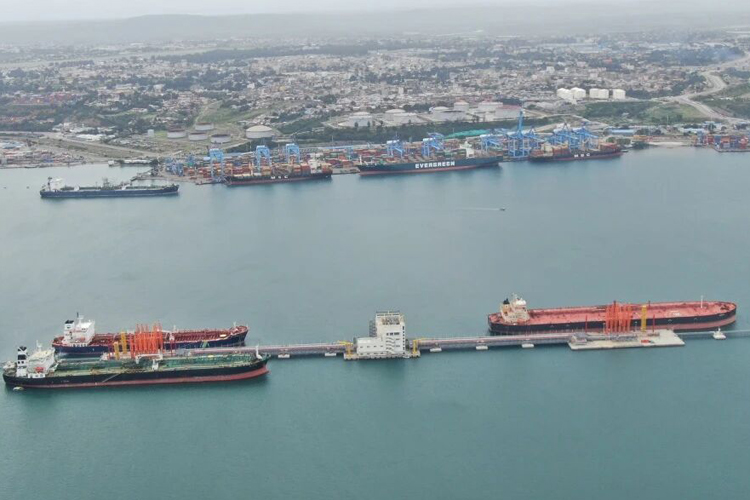
Commissioned in August 2022, the New Kipevu Oil Terminal (KOT) in Mombasa is Kenya's first modern offshore oil and gas terminal built to international standards. It comprises four offshore berths and pipeline facilities, enabling the import and export of five types of petroleum products: crude oil, heavy fuel oil, gasoline, diesel, and kerosene.
Nairobi Expressway
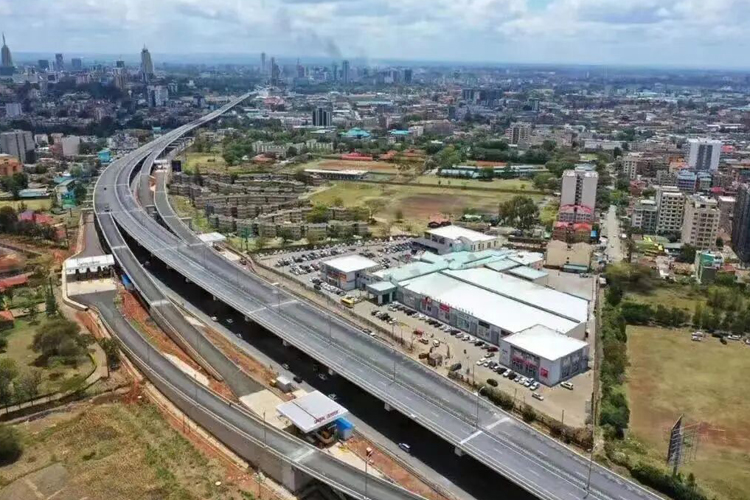
Stretching 27.1 km, the Nairobi Expressway connects Jomo Kenyatta International Airport, the Nairobi terminus of the Mombasa–Nairobi Standard Gauge Railway, the city's ring road, and the central business district. Passing major landmarks such as the National Museum, the National Stadium, the Parliament Building, the expressway has reduced travel time between the airport and downtown from two hours to just 20 minutes. It has received positive recognition from local authorities.
Mombasa Commuter Rail Service in Kenya
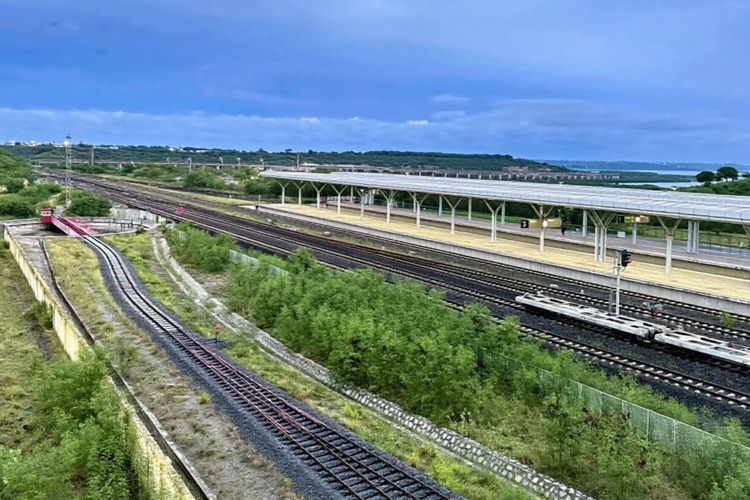
This 16.8 km project serves as the starting point of the meter-gauge railway linking Kenya and Uganda. Upon completion in 2025, it will reduce travel time between the Mombasa Terminus and the city center to approximately 30 minutes.
Editor: CRBC,Fourth Harbor Engineering