
Pinglu Canal integrates engineering with ecological protection
Source:CCCCTime:2026-09-21
Pinglu Canal opens, showcasing CCCC's green commitment. A smart fishway reconnects species after 67 years, a wildlife overpass aids migration, and mangroves stay dense. Oyster beds restored, and temporary sites turned into sugarcane fields and green cover.
The Pinglu Canal has officially opened to navigation, and along this major project, CCCC builders have written a series of green stories about living in harmony with nature. Let's take a look.
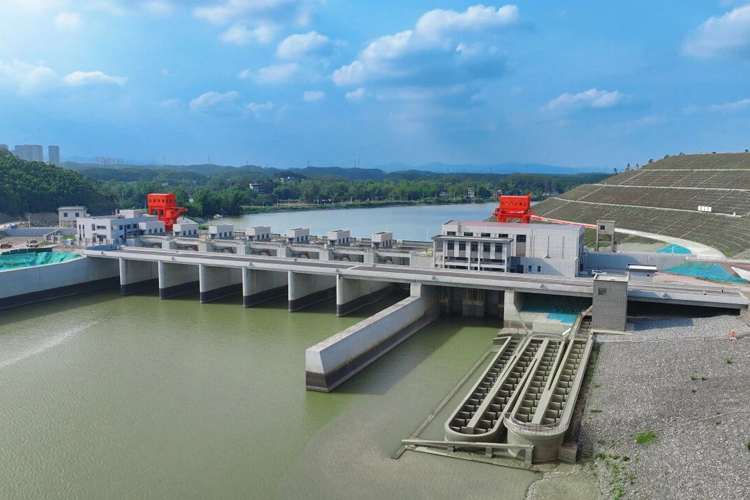
Beside the Qingnian Junction, a smart fishway has reopened an ecological passage that had been cut off in the Qinjiang River for 67 years. The 487.4-meter dual-channel design, equipped with sonar and AI recognition monitoring systems, has recorded over 76,000 upstream and 115,000 downstream fish since coming into operation. More than 10 fish species have successfully migrated through it.
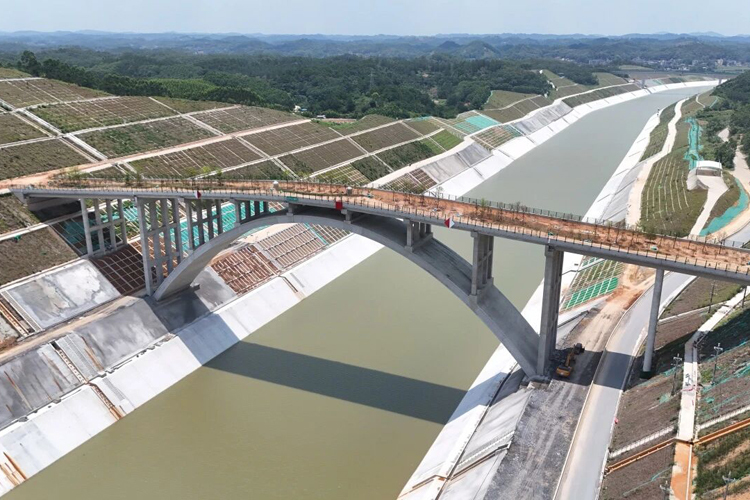
On China's first dedicated wildlife overpass crossing a canal — also a first internationally — a three-tier natural habitat of trees, shrubs, and grass provides a migration path for wildlife such as banded linsangs and leopard cats.
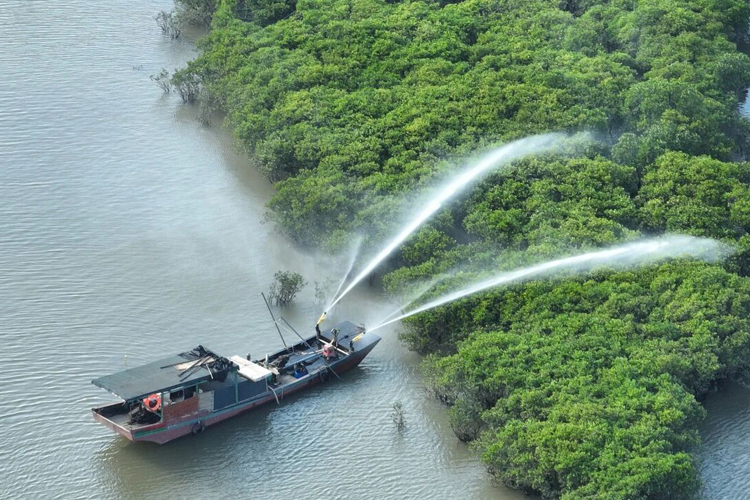
To protect the mangroves along the banks, the team used silt curtains, physical fencing, and drone patrols. After completion, mangrove density remained steady at 19,200 plants per hectare.
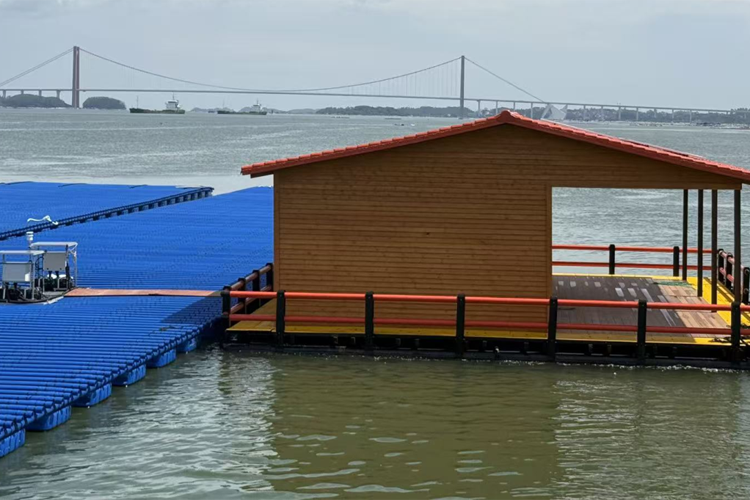
Oyster resources in the river were also systematically protected through measures such as parent stock relocation, reef restoration, and resource conservation, ensuring the continuation of oyster genetics.
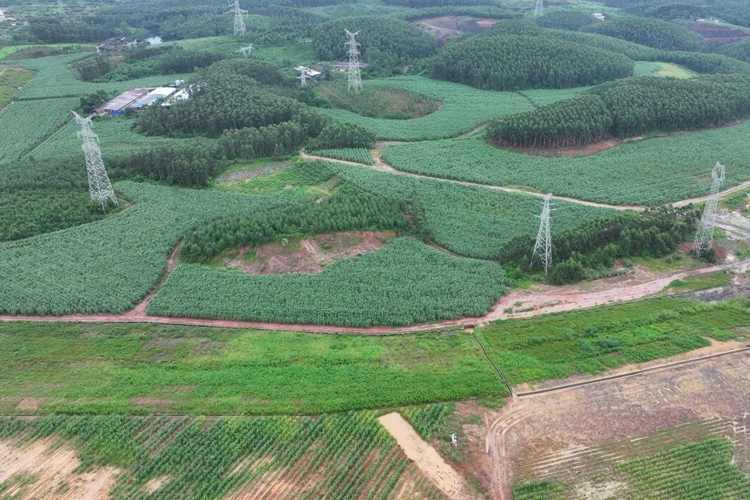
As the project wraps up, 3,090 mu of temporary storage sites will all be converted back to productive use — 1,725 mu into fertile sugarcane fields, and 1,233 mu restored to green cover.
Editor: First Harbor Engineering,Second Harbor Engineering