
CCCC holds "Future Engineers" activities worldwide
Source:CCCCTime:2026-07-28
Recently, CCCC's "Future Engineers" global program was conducted in Tanzania, Senegal, Laos, and other countries.
Recently, CCCC's "Future Engineers" global program was conducted in Tanzania, Senegal, Laos, and other countries. Through field visits, expert guidance, and interactive exchanges, the program enabled young students to explore modern infrastructure construction, cutting-edge technologies, and green construction concepts firsthand. Immersed in real engineering environments, participants enhanced their professional knowledge, expanded their understanding of engineering, and gained practical experience to support their future development.
In Tanzania
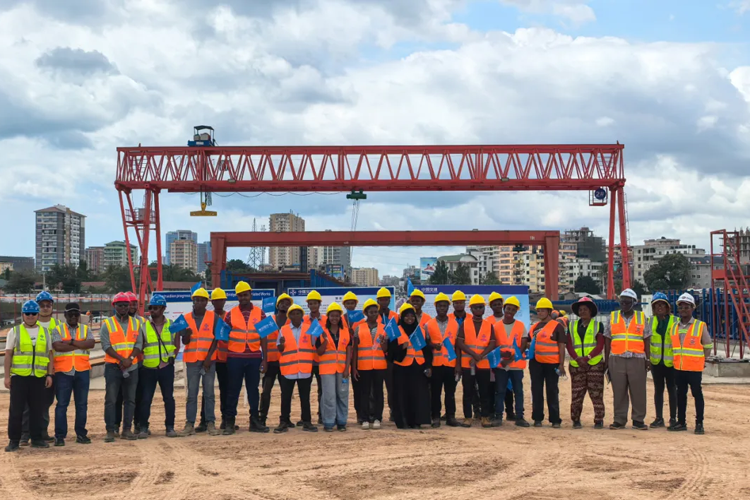
Over 20 students and faculty members from the Dar es Salaam Institute of Technology recently stepped into the bustling precast yard of the Tanzania Bridge Project, gaining an up-close understanding of the entire modern bridge construction process. From blueprints to steel reinforcement, from concrete pouring to structural erection — the real-world construction site brought textbook knowledge to life. The students observed closely, asked questions, deepened their professional understanding through exchanges, and broadened their engineering perspective through hands-on exposure.
In Senegal
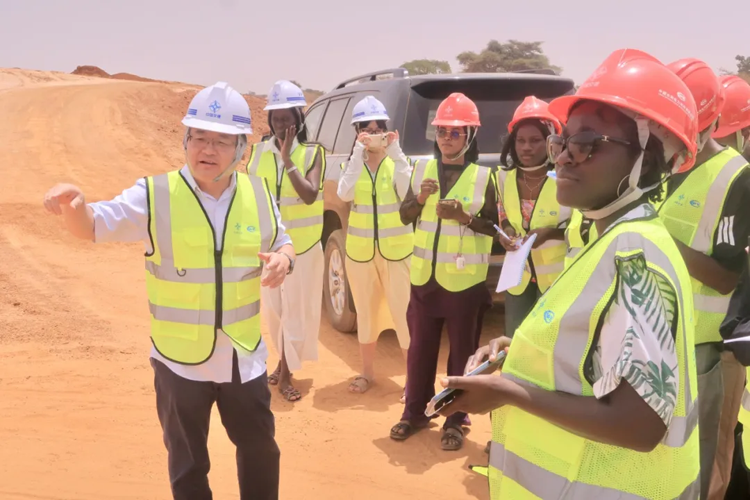
Teachers and students from the Confucius Institute at Cheikh Anta Diop University of Dakar recently visited the Mekhe-Ndande Expressway project site for a special open day event. Project engineers guided the group through a tour of the roadbed construction and structural work areas, explaining construction techniques, green building practices, and the collaborative model between Chinese and Senegalese teams in clear, accessible language.
During the presentation and exchange session that followed, students enthusiastically shared their thoughts in fluent Chinese. Malick Faye, a local young participant, said, "I'm very glad to be here for this event. This visit has shown me many new things, and I believe it will motivate me to study harder."
In Laos
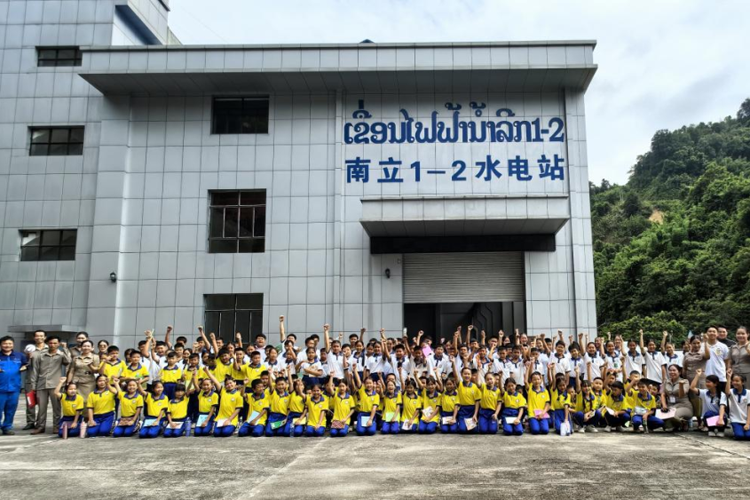
150 teachers and students from Sengsamay School visited the Nam Lik 1-2 Hydropower Station to learn about the operation of the green energy project and experience the appeal of modern hydropower engineering.
Led by station engineers, the students and teachers toured the powerhouse, dam, and control room, witnessing firsthand the process of converting water energy into clean electricity. They also learned about dam operation and management, as well as flood control measures, gaining a broader perspective on engineering and a deeper understanding of clean energy through the immersive experience.
"The activity allowed students to get a closer look at green hydropower projects, sparked their interest in water conservancy and hydropower engineering, and helped broaden their horizons and knowledge," said a teacher at the school.
Going forward, CCCC will continue to advance the "Future Engineers" program worldwide, leveraging the role of major projects as platforms for demonstration. By turning construction sites into hands-on classrooms for young engineering talent, the program will help cultivate more local engineering professionals and promote international exchanges in engineering technology.
Editor: Second Highway Engineering, CWE